Category: Uncategorized

  • 10 Powerful Digital Habits That Shape Your Life (And How to Control Them)

    10 Powerful Digital Habits That Shape Your Life (And How to Control Them)

    In today’s digital world, our daily routines are deeply influenced by smartphones, apps, and online platforms. From the moment we wake up to the time we go to sleep, our actions are shaped by invisible patterns known as digital habits.

    These habits can either improve your productivity and wellbeing or slowly lead to distraction, stress, and reduced focus. The key is understanding which habits are helping you—and which ones are controlling you.

    If you’re trying to build healthier digital habits, tools like ZenScroll can help you manage screen time, reduce distractions, and take control of your digital life.

    What Are Digital Habits?

    Digital habits are repeated behaviors related to how we use technology—such as checking notifications, scrolling social media, watching videos, or switching between apps.

    These habits are often automatic and unconscious, making them powerful enough to shape your daily life without you even realizing it.

    10 Digital Habits That Shape Your Life

    1. Checking Your Phone First Thing in the Morning

    Many people start their day by immediately checking notifications, messages, or social media.

    This habit can overwhelm your mind and reduce focus for the rest of the day.

    How to control it: Delay phone usage for the first 30 minutes after waking up.

    2. Endless Social Media Scrolling

    Platforms like Instagram, TikTok, and YouTube are designed to keep you scrolling.

    This habit consumes hours of your time without adding real value.

    How to control it: Set daily time limits or use app blockers.

    3. Constant Notification Checking

    Frequent notifications break your concentration and reduce productivity.

    How to control it: Turn off non-essential notifications and check apps at fixed times.

    4. Multitasking Across Apps

    Switching between apps reduces efficiency and increases mental fatigue.

    How to control it: Focus on one task at a time using focus modes.

    5. Late-Night Screen Usage

    Using your phone before bed affects sleep quality due to blue light exposure.

    How to control it: Avoid screens at least 1 hour before sleeping.

    6. Watching Short Videos for Long Hours

    Short-form content (Reels, Shorts) is highly addictive and time-consuming.

    How to control it: Limit usage and replace with intentional content consumption.

    7. Mindless App Opening

    Opening apps without a purpose becomes a strong unconscious habit.

    How to control it: Ask yourself, “Why am I opening this app?” before using it.

    8. Dependency on Digital Validation

    Likes, comments, and shares can affect your mood and self-worth.

    How to control it: Reduce reliance on external validation and focus on real-life achievements.

    9. Frequent Phone Checking During Work

    This habit reduces deep focus and increases task completion time.

    How to control it: Keep your phone away during work sessions.

    10. Consuming Content Instead of Creating

    Spending more time consuming content than creating limits growth.

    How to control it: Allocate time for learning, building, or creating content.

    Signs Your Digital Habits Are Unhealthy

    • You spend hours scrolling without realizing
    • Your productivity is decreasing
    • You feel anxious without your phone
    • Your sleep quality is poor
    • You check your phone constantly

    If you notice these signs, it’s time to reset your digital habits.

    Benefits of Improving Digital Habits

    1. Better Focus and Productivity

    Reducing distractions allows you to complete tasks faster and more efficiently.

    2. Improved Mental Health

    Less comparison and screen exposure can reduce stress and anxiety.

    3. More Free Time

    You gain extra hours to invest in learning, fitness, or relationships.

    4. Better Sleep Quality

    Reducing screen time before bed improves sleep patterns.

    5. Stronger Real-Life Connections

    You become more present with people around you.

    How ZenScroll Helps You Build Better Digital Habits

    Breaking digital habits is difficult because apps are designed to be addictive. This is where ZenScroll becomes powerful.

    ZenScroll is a digital wellbeing app that helps you reduce distractions and take control of your screen time.

    Key Features of ZenScroll

    • App Blocking: Block distracting apps like Instagram, TikTok, and YouTube
    • Screen Time Tracking: Monitor your daily usage
    • Focus Mode: Stay distraction-free during work or study
    • Habit Building: Gradually improve your digital behavior

    Tips to Build Healthy Digital Habits

    • Set daily screen time limits
    • Turn off unnecessary notifications
    • Keep your phone away during work
    • Avoid using devices before bedtime
    • Use apps like ZenScroll

    You can also explore our guide on social media detox to take your digital discipline to the next level.

    Research on Digital Habits

    Studies show that excessive screen time can negatively affect mental health and productivity.

    According to the American Psychological Association, reducing digital distractions can improve focus and emotional wellbeing.

    Research from Harvard Health Publishing also highlights the impact of screen time on sleep and cognitive performance.

    Frequently Asked Questions

    What are digital habits?

    Digital habits are repeated behaviors related to technology usage, such as scrolling, checking notifications, or watching videos.

    Can digital habits be changed?

    Yes. With awareness and tools, you can replace unhealthy habits with productive ones.

    How long does it take to build better habits?

    It depends, but consistent effort over a few weeks can show significant improvement.

    Do apps help control digital habits?

    Yes. Apps like ZenScroll help track and limit usage effectively.

    Conclusion

    Digital habits play a powerful role in shaping your daily life, productivity, and mental wellbeing.

    While technology is essential, uncontrolled usage can lead to distraction and stress. By understanding your habits and taking small steps to improve them, you can regain control of your time and attention.

    With tools like ZenScroll, building healthier digital habits becomes easier. Start today and take control of your digital life.

  • 10 Practical Tips to Reduce Screen Time as a Student (Improve Focus & Mental Health)

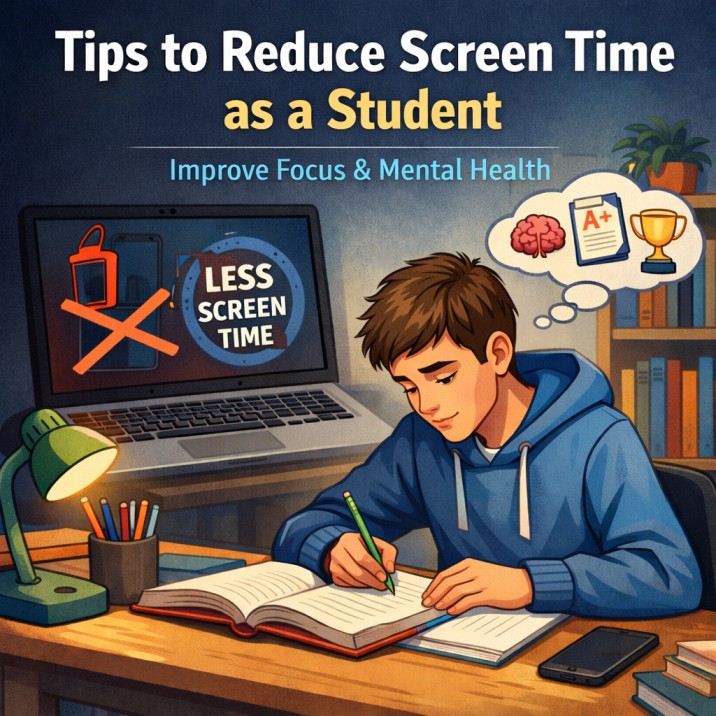
    10 Practical Tips to Reduce Screen Time as a Student (Improve Focus & Mental Health)

    Reduce screen time as a student to improve focus, productivity, and mental wellbeing. In today’s digital world, students spend a significant amount of time using smartphones, laptops, and social media platforms. While technology is useful for studying and research, excessive screen usage can reduce concentration, affect sleep quality, and lower academic performance.

    Learning how to reduce screen time as a student is essential for building healthier digital habits. When students limit unnecessary screen usage, they can improve productivity, develop stronger focus during study sessions, and maintain better mental health.

    Why Students Should Reduce Screen Time

    Many students unknowingly spend several hours each day scrolling through social media, watching videos, or browsing entertainment websites. Excessive screen exposure can lead to eye strain, poor sleep patterns, and reduced academic productivity.

    If you want to understand the impact of excessive screen usage, read our guide on
    screen time and mental health. Understanding how digital habits affect the brain can help students take the first step to reduce screen time as a student.

    By making small changes to daily routines, students can successfully reduce screen time and improve their study performance.

    1. Track Your Screen Usage

    The first step to reduce screen time as a student is understanding how much time you actually spend on your devices. Most smartphones and operating systems provide built-in screen time tracking features.

    These reports show which apps consume the most time, helping students identify where their attention is being wasted.

    2. Set Daily Screen Time Limits

    Setting daily limits for social media apps and entertainment platforms is another effective way to reduce screen time as a student.

    Most devices allow users to restrict specific apps once the daily limit is reached, encouraging students to focus on more productive tasks.

    3. Disable Unnecessary Notifications

    Notifications constantly interrupt study sessions and encourage students to check their phones repeatedly. Turning off unnecessary notifications can significantly help students reduce screen time.

    This small change helps maintain concentration during important study periods.

    4. Schedule Screen-Free Study Sessions

    Students who want to reduce screen time as a student should schedule dedicated study sessions without social media or entertainment websites.

    For example, keeping phones away while studying for 45–60 minutes can greatly improve concentration and productivity.

    5. Take Regular Digital Breaks

    Taking breaks away from screens is important for both mental and physical health. Long periods of screen exposure can cause eye strain and mental fatigue.

    During breaks, students can stretch, walk around, or relax their eyes to refresh their focus.

    6. Limit Social Media Scrolling

    Social media platforms are one of the biggest reasons students struggle to reduce screen time as a student.

    If social media is consuming too much time, consider taking a temporary break. Our guide on
    how to take a social media break explains practical strategies to regain control over your digital habits.

    7. Try a Social Media Detox

    A social media detox is one of the most effective strategies to reduce screen time as a student. It involves temporarily avoiding social platforms to reset your digital habits.

    If you want to try this method, read our article on
    social media detox, which explains how taking breaks from social media can improve productivity and mental clarity.

    8. Replace Screen Time With Productive Activities

    Instead of spending hours scrolling on your phone, replace that time with healthier and more productive activities such as:

    • Reading books
    • Practicing new skills
    • Exercising or walking
    • Studying offline materials

    Replacing digital distractions with productive habits helps students reduce screen time naturally.

    9. Avoid Screens Before Sleep

    Using smartphones or laptops before bedtime affects sleep quality because blue light interferes with melatonin production.

    According to research from the
    Sleep Foundation, limiting screen exposure before bed significantly improves sleep quality.

    10. Use Website Blockers to Control Screen Usage

    Website blockers and productivity tools help students reduce screen time as a student by restricting access to distracting websites.

    These tools prevent endless scrolling on social media and entertainment platforms, allowing students to focus on studying.

    Common Signs Students Need to Reduce Screen Time

    Many students do not realize how much time they spend on their devices until it begins to affect their daily routines. Recognizing the warning signs early can help students take steps to reduce screen time as a student and build healthier digital habits.

    Some common signs that students may need to reduce screen time include:

    • Difficulty concentrating during study sessions
    • Frequently checking social media while studying
    • Feeling tired due to late-night phone usage
    • Eye strain or headaches after long screen exposure
    • Procrastinating on assignments because of digital distractions

    If students notice these signs regularly, it may be time to actively work on strategies to reduce screen time and regain focus.

    Benefits of Reducing Screen Time for Students

    When students successfully reduce screen time as a student, they often experience several positive improvements in both academic performance and personal wellbeing.

    Some of the key benefits include:

    • Improved concentration: Fewer digital distractions allow students to focus better on studying.
    • Better sleep quality: Limiting screen exposure before bed helps regulate sleep cycles.
    • Higher productivity: Students can complete tasks faster without constant interruptions.
    • Better mental health: Reduced social media usage lowers stress and anxiety.
    • More free time: Students can spend time on hobbies, exercise, and personal growth.

    Developing these habits early helps students maintain a balanced lifestyle while still benefiting from technology.

    How Parents and Teachers Can Help Students Reduce Screen Time

    Parents and teachers also play an important role in helping students develop healthier digital habits. Encouraging responsible technology use can make it easier for students to reduce screen time as a student and stay focused on their goals.

    Some helpful strategies include:

    • Encouraging screen-free study environments
    • Setting boundaries for device usage at home
    • Promoting offline learning activities
    • Educating students about digital wellbeing

    By creating supportive environments, both educators and parents can help students maintain a healthy balance between technology and real-life activities.

    Practical Daily Habits to Reduce Screen Time as a Student

    Reducing screen time does not require drastic lifestyle changes. Small daily habits can help students gradually reduce screen usage and develop healthier digital routines.

    Students who want to reduce screen time as a student can start with simple habits that encourage mindful technology usage. These habits make it easier to stay focused on studies while still using technology when necessary.

    • Keep your phone away from your study desk while studying.
    • Use airplane mode during deep study sessions.
    • Avoid opening social media apps during short study breaks.
    • Schedule specific times during the day for checking messages.
    • Use productivity apps that block distracting websites.

    By consistently practicing these habits, students can gradually reduce unnecessary screen exposure and improve their focus.

    The Long-Term Impact of Excessive Screen Time

    Spending too much time on digital devices can have long-term effects on students’ physical and mental wellbeing. Research suggests that excessive screen time may contribute to sleep disturbances, reduced attention span, and increased stress levels.

    Students who actively work to reduce screen time as a student often notice improvements in their daily routines. They tend to feel more energized, focused, and motivated to complete their academic tasks.

    Over time, limiting screen exposure can also improve time management skills. When students spend less time on digital distractions, they gain more time for learning, personal development, and offline activities.

    Balancing Technology and Productivity

    Technology is not inherently harmful. In fact, digital tools play an important role in modern education. The goal is not to completely eliminate screen usage but to create a healthy balance between technology and productivity.

    Students who successfully reduce screen time as a student focus on using technology intentionally. Instead of mindlessly scrolling through social media, they prioritize using digital devices for studying, research, and learning new skills.

    Creating this balance helps students benefit from technology without allowing it to become a distraction.

    Building Healthy Digital Habits for the Future

    Learning how to manage screen time during student life is an important skill that will remain valuable in the future. In a world where digital devices are everywhere, developing healthy technology habits can improve both productivity and mental wellbeing.

    Students who learn to reduce screen time as a student build stronger discipline, better focus, and healthier relationships with technology. These skills will continue to benefit them in their careers, professional life, and personal development.

    By making small adjustments to daily habits and staying mindful of digital distractions, students can maintain a healthy balance between online activities and real-world experiences.

    Why It Is Important to Reduce Screen Time as a Student

    In the modern digital era, students rely heavily on smartphones, tablets, and laptops for both learning and entertainment. While technology provides valuable educational resources, excessive device usage can easily become a distraction.

    This is why it is important to reduce screen time as a student. When students limit unnecessary screen usage, they can concentrate better on academic work, manage their time more effectively, and maintain healthier digital habits.

    Reducing screen time allows students to focus on activities that contribute to long-term success, such as studying, skill development, reading, and creative hobbies.

    How Screen Time Affects Student Productivity

    Too much screen exposure can negatively affect student productivity. Constant notifications, social media updates, and online entertainment platforms create continuous distractions.

    Students who struggle to reduce screen time as a student may find it difficult to maintain focus during study sessions. Even short interruptions can break concentration and slow down learning progress.

    When students actively reduce screen time, they are able to concentrate for longer periods and complete their tasks more efficiently.

    Creating a Healthy Digital Routine

    Building a healthy digital routine helps students balance technology use with productive activities. Instead of eliminating technology completely, the goal should be to use devices intentionally.

    Students who want to reduce screen time as a student can start by creating a structured daily routine. For example:

    • Study for fixed periods without checking your phone.
    • Schedule specific times for social media usage.
    • Use digital tools only when necessary for academic tasks.
    • Spend more time on offline learning activities.

    This approach allows students to benefit from technology while avoiding unnecessary distractions.

    Simple Lifestyle Changes That Reduce Screen Time

    Sometimes the easiest way to reduce screen time is by making small lifestyle adjustments. These changes can significantly reduce the urge to constantly check devices.

    • Keep your phone in another room while studying.
    • Use a traditional alarm clock instead of your phone.
    • Replace late-night scrolling with reading books.
    • Spend time outdoors or exercise regularly.

    When students adopt these habits, it becomes much easier to reduce screen time as a student and focus on activities that support personal growth.

    The Role of Self-Discipline in Reducing Screen Time

    One of the most important factors in managing digital habits is self-discipline. Students who develop strong self-control are better able to resist digital distractions.

    Learning to reduce screen time as a student requires awareness and consistent effort. Over time, students become more mindful of how they use technology and begin prioritizing tasks that support their academic goals.

    Developing this discipline early can greatly benefit students throughout their education and professional careers.

    Frequently Asked Questions

    Why should students reduce screen time?

    Students should reduce screen time because excessive device usage can reduce focus, disrupt sleep, and negatively impact mental health.

    How many hours of screen time is healthy for students?

    Experts generally recommend limiting recreational screen time to around two hours per day while prioritizing educational activities.

    How can students reduce screen time easily?

    Students can reduce screen time by setting app limits, disabling notifications, and taking breaks from social media.

    Does reducing screen time improve productivity?

    Yes. Reducing screen time eliminates distractions and helps students focus more effectively on academic tasks.

    Conclusion

    Learning how to reduce screen time as a student is essential for improving productivity, maintaining better mental health, and achieving academic success.

    By tracking screen usage, limiting social media, scheduling screen-free study sessions, and practicing digital detox strategies, students can develop healthier digital habits and regain control over their time.

    When students successfully reduce screen time, they create more opportunities for learning, personal development, and meaningful offline activities.
  • Screen Time and Mental Health: 7 Hidden Effects & How to Take Back Control

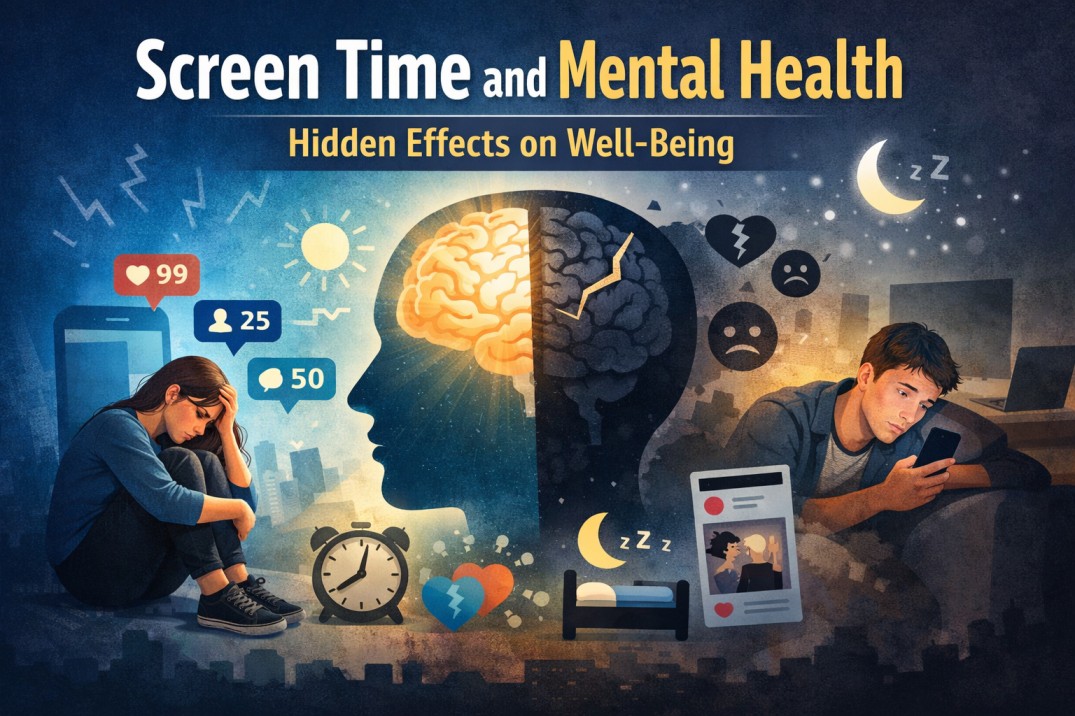
    Screen Time and Mental Health: 7 Hidden Effects & How to Take Back Control

    Screen time and mental health are closely connected in today’s digital world. From smartphones and laptops to tablets and TVs, screens dominate nearly every part of our daily lives. While technology has made communication and productivity easier, excessive screen use has quietly become one of the most serious threats to mental well-being.

    Research shows that the average person now spends nearly 7–9 hours every day looking at screens. Social media, entertainment platforms, and digital work environments constantly compete for our attention.

    This growing dependence on digital devices raises an important question: How does screen time affect mental health?

    Understanding the relationship between screen time and mental health is essential for building healthier digital habits and protecting long-term well-being.


    How Screen Time and Mental Health Are Connected

    The connection between screen time and mental health has been widely studied by psychologists and health researchers.

    Many digital platforms are designed to maximize engagement through features like infinite scrolling, autoplay videos, and push notifications. These features trigger dopamine responses in the brain, creating a reward loop that encourages repeated usage.

    Over time, excessive digital stimulation can contribute to several mental health challenges, including:

    • Reduced attention span
    • Higher anxiety levels
    • Sleep disturbances
    • Lower productivity
    • Increased social isolation

    If you feel overwhelmed by social media usage, taking a break can help reset your habits. Our detailed guide explains practical strategies for disconnecting from social media in a healthy way.

    Learn how to take a healthy social media break


    7 Hidden Effects of Screen Time on Mental Health

    1. Increased Anxiety and Stress

    Constant notifications, messages, and updates keep the brain in a state of continuous alertness.

    This pressure to stay connected often leads to anxiety and mental fatigue. The fear of missing out (FOMO) also contributes to the negative effects of screen time and mental health.

    2. Sleep Disruption

    One of the most harmful consequences of excessive screen use is poor sleep quality.

    Digital screens emit blue light, which interferes with melatonin production — the hormone responsible for regulating sleep cycles.

    • Difficulty falling asleep
    • Interrupted sleep cycles
    • Reduced energy the next day

    Over time, poor sleep significantly affects mood, memory, and cognitive performance.

    3. Reduced Focus and Productivity

    Frequent notifications interrupt concentration and make deep work difficult.

    Even short digital interruptions can significantly reduce productivity and increase task completion time.

    4. Increased Risk of Depression

    Social media platforms often display idealized versions of people’s lives. Constant exposure to curated content can lead to unhealthy comparisons.

    This comparison culture negatively impacts screen time and mental health, contributing to low self-esteem and depressive feelings.

    5. Digital Burnout

    Spending too much time online can result in emotional exhaustion known as digital burnout.

    People experiencing digital burnout often report fatigue, irritability, and reduced motivation.

    6. Reduced Real-World Social Interaction

    When digital communication replaces face-to-face interaction, meaningful relationships may weaken.

    Healthy human connection plays an essential role in emotional stability.

    7. Loss of Mindfulness

    Endless scrolling prevents people from being present in the moment.

    Mindless digital consumption reduces awareness and overall life satisfaction.

    Many people restore balance by trying a digital detox. Our guide explains how stepping away from social media can improve focus and mental clarity.

    Read the complete social media detox guide


    The Importance of Digital Mindfulness

    Improving screen time and mental health does not mean eliminating technology completely.

    Instead, the goal is to practice digital mindfulness — using technology intentionally rather than automatically.

    Healthy digital habits include:

    • Setting daily screen time limits
    • Turning off unnecessary notifications
    • Creating phone-free time periods
    • Avoiding screens before bedtime

    However, maintaining these habits consistently can be challenging without the right support.


    How ZenScroll Helps Improve Screen Time and Mental Health

    Digital wellness tools can make it easier to build healthier screen habits.

    ZenScroll helps users become more aware of their scrolling patterns and encourages mindful technology usage.

    ZenScroll helps users:

    • Reduce endless scrolling habits
    • Improve focus and productivity
    • Minimize digital distractions
    • Develop healthier screen routines

    By gradually changing digital behavior, users can restore balance between technology use and real-life experiences.


    Practical Ways to Reduce Screen Time

    Create No-Phone Zones

    Keep devices away from bedrooms and dining tables to encourage healthier routines.

    Schedule Digital Breaks

    Follow the 20-20-20 rule: every 20 minutes, look at something 20 feet away for 20 seconds.

    Use Digital Wellness Tools

    Tools like ZenScroll can help track usage and reduce mindless scrolling.

    Replace Screen Time with Real Activities

    Reading, exercising, journaling, or spending time outdoors can greatly improve mental well-being.


    The Future of Digital Well-Being

    Technology will continue to evolve, but awareness about screen time and mental health is becoming increasingly important.

    By understanding how digital habits influence our minds, we can create a healthier balance between online and offline life.


    Frequently Asked Questions

    How does screen time affect mental health?

    Excessive screen time can increase stress, anxiety, and depression while reducing focus and disrupting sleep cycles.

    How many hours of screen time is healthy?

    Experts suggest limiting recreational screen time to around 2–3 hours per day for better mental health.

    Can reducing screen time improve mental health?

    Yes. Reducing screen time can improve sleep quality, increase productivity, reduce anxiety, and improve overall well-being.

    What are effective ways to reduce screen addiction?

    Setting screen limits, turning off notifications, practicing digital detox, and using productivity tools can help reduce screen dependency.

    What is digital mindfulness?

    Digital mindfulness means using technology intentionally and maintaining a healthy balance between digital and real-world experiences.

    Conclusion

    Excessive screen usage has a powerful impact on screen time and mental health. From anxiety and sleep disruption to reduced focus and productivity, the hidden consequences are deeper than most people realize.

    The good news is that small changes can create meaningful improvements.

    By practicing digital mindfulness and using supportive tools like ZenScroll, you can regain control of your attention, productivity, and mental well-being.

  • Social Media Break: Do You Really Need It? Signs It’s Time for a Digital Detox

    Social Media Break: Do You Really Need It? Signs It’s Time for a Digital Detox

    In today’s digital age, social media platforms like Instagram, TikTok, Facebook, and YouTube dominate our daily routines. Many people wake up and immediately start scrolling through endless feeds, notifications, and videos. While social media can be entertaining and informative, excessive use often leads to stress, distraction, and reduced productivity.

    Because of this, more people are now considering taking a social media break or starting a digital detox. A social media break means temporarily stepping away from platforms that consume too much of your time and attention.

    If you’re trying to improve your digital habits, taking a social media break is a great first step. You can also read our detailed guide on
    social media detox to learn practical ways to reduce scrolling and regain control of your screen time.

    ZenScroll is a digital wellbeing app designed to help users limit social media distractions, track screen time, and build healthier digital habits.

    What Is a Social Media Break?

    A social media break refers to intentionally reducing or stopping the use of social media platforms for a certain period of time. Instead of constantly checking notifications and feeds, users focus on real-life activities, productivity, and mental wellbeing.

    Common platforms people often take breaks from include:

    • Instagram
    • TikTok
    • Facebook
    • Snapchat
    • YouTube
    • Twitter (X)

    Taking a break from these platforms can help individuals regain control of their time and improve their relationship with technology.

    Signs You Might Need a Social Media Break

    1. You Scroll Without Realizing It

    Have you ever opened Instagram or TikTok for just a few minutes but ended up scrolling for an hour? Endless feeds and algorithm-driven content are designed to keep users engaged for long periods.

    If you frequently lose track of time while scrolling, it may be a strong sign that you need a digital detox.

    2. Social Media Affects Your Mood

    Social media often creates unrealistic expectations about life, success, beauty, and relationships. Constant comparison with others can lead to anxiety, stress, and low self-esteem.

    Taking a social media break allows your mind to disconnect from these comparisons and focus on your own personal growth.

    3. Your Productivity Is Decreasing

    Mindless scrolling is one of the biggest productivity killers today. Notifications, reels, and short videos interrupt focus and reduce your ability to complete important tasks.

    Reducing social media usage can significantly improve concentration and productivity.

    4. You Check Your Phone Too Frequently

    If you find yourself checking your phone every few minutes for notifications or likes, it may indicate a growing dependency on social media platforms.

    A social media break can help reset this habit and reduce constant phone checking.

    5. Social Media Is Affecting Your Sleep

    Late-night scrolling can disrupt sleep patterns. The blue light from screens and stimulating content can make it difficult for the brain to relax before bedtime.

    Reducing screen time before bed can improve sleep quality and overall wellbeing.

    Benefits of Taking a Social Media Break

    1. Better Mental Health

    When you step away from constant notifications and comparisons, your mind gets the chance to relax. Many people report feeling calmer and less stressed after reducing social media usage.

    2. Improved Focus

    Without constant distractions, it becomes easier to concentrate on work, studies, and personal goals.

    3. More Free Time

    The average person spends several hours per day on social media. Reducing this time can free up hundreds of hours each year for learning, exercising, or spending time with loved ones.

    4. Stronger Real-Life Relationships

    Spending less time online naturally creates more opportunities to connect with friends, family, and colleagues in real life.

    5. Better Sleep Quality

    Reducing screen time before bedtime allows the brain to relax, which can lead to deeper and more restorative sleep.

    How ZenScroll Helps You Take a Social Media Break

    Breaking the habit of constant scrolling can be challenging because social media apps are designed to keep users engaged. This is where ZenScroll becomes helpful.

    ZenScroll is a digital wellbeing and focus app that helps users manage their screen time and reduce distractions.

    Key Features of ZenScroll

    • App Blocking: Temporarily block distracting apps like Instagram, TikTok, or YouTube.
    • Screen Time Tracking: Understand how much time you actually spend scrolling.
    • Focus Mode: Restrict access to distracting apps during work or study sessions.
    • Digital Detox Support: Gradually reduce social media usage and build healthier habits.

    Tips for Starting a Social Media Detox

    • Set daily screen time limits for social media apps
    • Turn off unnecessary notifications
    • Create social media-free hours during work or study time
    • Avoid scrolling before bedtime
    • Use digital wellbeing apps like ZenScroll

    If you want a complete step-by-step strategy, read our guide on
    how to start a social media detox and learn how to gradually reduce social media usage.

    Research on Social Media Usage

    Several studies suggest that excessive social media usage can affect mental health and productivity. According to research from the
    American Psychological Association, reducing social media usage can help lower anxiety and improve emotional wellbeing.

    Similarly, research published by
    Harvard Health Publishing explains that excessive screen time may negatively affect sleep and concentration.

    Frequently Asked Questions

    How long should a social media break last?

    A social media break can last anywhere from a few hours to several weeks depending on your personal goals.

    Is a social media detox effective?

    Yes. Many studies suggest that reducing social media usage improves mental health, productivity, and sleep quality.

    Do I need to delete my social media accounts?

    No. A social media break simply means reducing usage rather than deleting accounts completely.

    Can apps help reduce social media addiction?

    Yes. Digital wellbeing apps like ZenScroll help users manage screen time and build healthier smartphone habits.

    Conclusion

    Social media can be entertaining and useful, but excessive scrolling often leads to distraction, stress, and reduced productivity.

    If you feel that social media is taking too much of your time and attention, taking a social media break can help you regain control of your digital life.

    With tools like ZenScroll, managing screen time becomes easier. The app helps you block distractions, stay focused, and develop healthier digital habits.

    If you want to take your digital detox further, read our complete guide on
    social media detox and start improving your digital wellbeing today.

  • 7 Signs You Need a Social Media Detox to Improve Focus and Mental Health

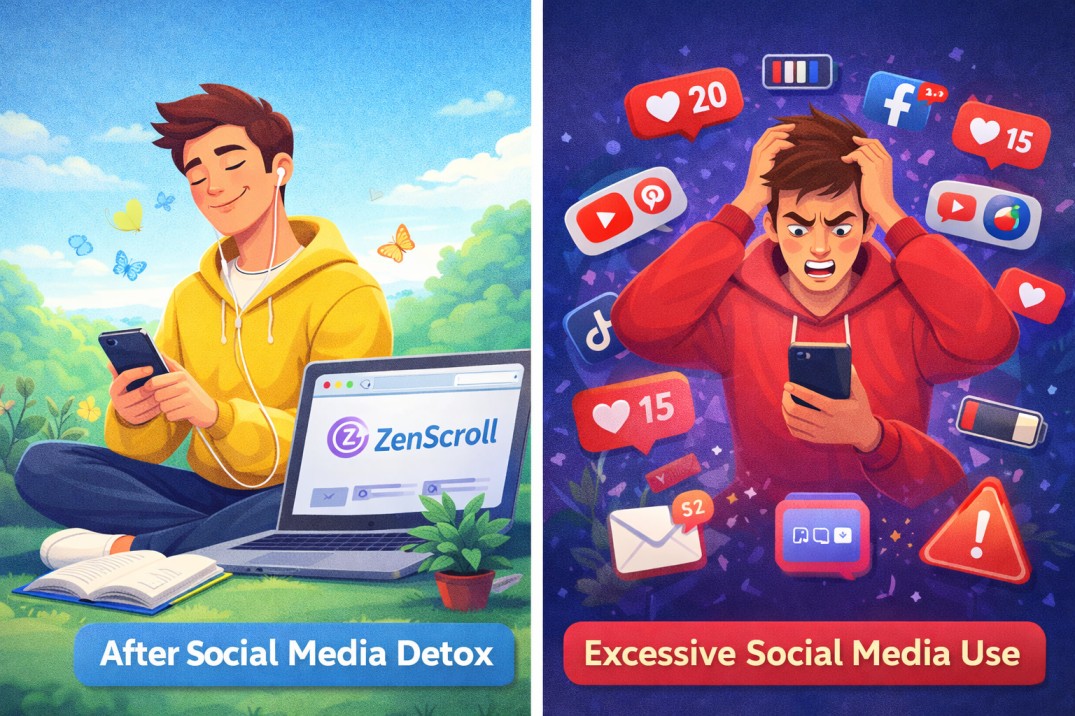
    7 Signs You Need a Social Media Detox to Improve Focus and Mental Health

    Introduction

    Social media platforms like Instagram, YouTube, Facebook, and TikTok have become a major part of daily life. However, constant scrolling and endless notifications have made many people realize the importance of a social media detox. A social media detox helps users reduce screen time, regain focus, and develop healthier digital habits.

    However, spending too much time scrolling through reels, shorts, and endless feeds can negatively affect productivity, mental health, and focus. Many people now feel overwhelmed by constant notifications and online distractions.

    This raises an important question: Do you need a social media detox?

    A social media detox means intentionally reducing or limiting the time spent on social platforms in order to regain control over your attention and digital habits.

    In this article, we will explore the signs that indicate it may be time for a break from social media, the benefits of reducing screen time, and practical ways to build healthier online habits.

    What Is a Social Media Detox?

    A social media detox is a conscious decision to reduce or temporarily stop using social networking platforms.

    The goal is to create a healthier balance between online activity and real-life experiences.

    • Reduce unnecessary screen time
    • Improve focus and productivity
    • Support better mental well-being
    • Develop healthier digital habits

    Many people take short breaks from social platforms for a few hours, a day, or even several weeks. Even a small break can help reset habits and improve concentration.

    Why Social Media Can Become Addictive

    Social media platforms are designed to capture attention and keep users engaged.

    • Infinite scrolling
    • Autoplay videos
    • Short-form content like reels and shorts
    • Notifications and likes
    • Algorithm-driven recommendations

    These features encourage users to keep scrolling longer than intended.

    Short-form content such as YouTube Shorts and Instagram Reels is particularly engaging because it delivers quick entertainment in seconds.

    According to research from the American Psychological Association, excessive social media usage may contribute to increased stress, anxiety, and reduced attention span.

    This is why many people eventually decide to reduce their usage and create healthier digital boundaries.

    Signs You May Need a Break From Social Media

    Recognizing the warning signs can help you determine whether reducing social media use could benefit your lifestyle.

    1. You Spend Hours Scrolling Every Day

    If you frequently open social apps and lose track of time while browsing reels, videos, or posts, it may indicate excessive screen usage.

    2. Social Media Affects Your Mood

    Constant comparisons with other people’s lifestyles, achievements, or appearances can sometimes create feelings of anxiety or dissatisfaction.

    3. You Feel Constantly Distracted

    Notifications and social feeds can interrupt work, studies, or daily responsibilities. Reducing these distractions can help improve concentration.

    4. You Check Social Media Immediately After Waking Up

    If the first thing you do every morning is open social apps, it may be a sign that online habits are becoming automatic.

    5. Social Media Is Affecting Your Sleep

    Late-night scrolling often delays sleep and reduces sleep quality, which can lead to fatigue the next day.

    Benefits of Reducing Social Media Usage

    Limiting social media time can improve several aspects of life.

    Improved Focus and Productivity

    With fewer distractions, it becomes easier to concentrate on important tasks and goals.

    Better Mental Well-being

    Taking breaks from constant online comparison can help reduce stress and anxiety.

    Improved Sleep Quality

    Reducing screen exposure before bedtime helps the body relax and sleep better.

    More Time for Meaningful Activities

    Less time online means more time for hobbies, learning, exercise, and spending time with friends or family.

    Practical Ways to Reduce Social Media Distractions

    1. Track Your Screen Time

    Most smartphones include tools that show how much time you spend on different apps.

    2. Turn Off Unnecessary Notifications

    Reducing alerts can help prevent the constant urge to check your phone.

    3. Remove Apps Temporarily

    Deleting social apps for a few days can help break automatic scrolling habits.

    4. Replace Scrolling With Healthy Activities

    • Reading books
    • Exercising
    • Learning new skills
    • Spending time outdoors
    • Socializing with friends and family

    5. Block Addictive Content

    Short-form content feeds are one of the biggest causes of endless scrolling.

    Tools like ZenScroll help users remove YouTube Shorts and block Instagram Reels so they can focus on more meaningful content online.

    If short videos make it difficult to complete a social media detox, tools like ZenScroll can help remove YouTube Shorts and block Instagram Reels so users can focus on meaningful content online.

    Reduce Digital Distractions With ZenScroll

    If short videos are the main reason you spend too much time online, tools like ZenScroll can help.

    ZenScroll is a browser extension that removes distracting short-video feeds from platforms like YouTube, Instagram, and Facebook.

    • Remove YouTube Shorts
    • Block Instagram Reels
    • Block Facebook Reels
    • Reduce endless scrolling
    • Improve focus while browsing

    By removing the most addictive parts of social platforms, ZenScroll helps users create a healthier and more balanced digital experience.

    Building Healthier Digital Habits

    Developing healthier online habits is one of the biggest benefits of a social media detox. When people reduce unnecessary scrolling, they often notice improvements in concentration, productivity, and overall well-being.

    A successful social media detox does not require completely quitting the internet. Instead, it focuses on creating balance between online activities and real-world experiences.

    Many individuals who complete a social media detox report feeling more focused, less stressed, and more motivated to work on personal goals.

    Even small changes such as limiting screen time, blocking addictive short-video feeds, and scheduling regular breaks can make a social media detox much easier to maintain.

    Over time, practicing a social media detox can help people build healthier relationships with technology and develop better digital discipline.

    How to Maintain a Long-Term Social Media Detox

    Starting a social media detox is an important step, but maintaining it long-term requires consistent habits and awareness. Many people successfully complete a short social media detox but slowly return to old scrolling habits.

    One way to maintain a successful social media detox is by setting clear boundaries for social media usage. For example, you may decide to avoid social media during work hours or limit usage before bedtime.

    Another helpful strategy is removing the most addictive parts of social media platforms. Short-form videos such as reels and shorts often make it difficult to maintain a social media detox because they are designed for endless scrolling.

    Many people find that removing these distractions makes their social media detox much easier. Tools like ZenScroll can help block short-video feeds and support healthier digital habits.

    By regularly practicing a social media detox and limiting digital distractions, people can maintain better focus, improved productivity, and a healthier relationship with technology.

    The Importance of Digital Balance

    Maintaining a healthy balance between online and offline activities is essential in today’s digital world. While social media can be useful for communication and entertainment, excessive usage can sometimes disrupt productivity and mental well-being.

    This is why many people choose to begin a social media detox. By reducing time spent on social platforms, individuals can regain control over their attention and focus on more meaningful activities.

    A social media detox helps people become more mindful about how they use technology. Instead of constantly checking notifications or scrolling through endless feeds, users can intentionally choose when and how they interact with social media.

    Over time, practicing a social media detox encourages healthier habits and creates a better balance between digital life and real-life experiences.

    Common Challenges During a Social Media Detox

    Although a social media detox offers many benefits, some people may find it difficult to reduce their social media usage at first.

    One common challenge is the habit of automatically opening social media apps during free moments. Many users check their phones without even realizing it.

    Another challenge during a social media detox is the fear of missing out, often referred to as FOMO. People may worry that they are missing important updates or conversations while staying offline.

    However, most individuals discover that after a few days of a social media detox, these habits gradually disappear and they feel more relaxed and focused.

    Recognizing these challenges and preparing for them can make a social media detox much easier to complete successfully.

    How ZenScroll Supports a Social Media Detox

    One of the biggest obstacles during a social media detox is avoiding addictive short-form content such as reels and shorts.

    Short videos are designed to keep users engaged for long periods by continuously showing new content. Because of this, many people find it difficult to stop scrolling.

    Tools like ZenScroll help make a social media detox easier by removing distracting short-video feeds from platforms such as YouTube, Instagram, and Facebook.

    By blocking these feeds, ZenScroll allows users to browse social platforms without falling into endless scrolling loops.

    This makes it easier for individuals to maintain their social media detox while still using the internet for productive purposes.

    Frequently Asked Questions (FAQ)

    What is a social media detox?

    A social media detox is a period where someone intentionally reduces or stops using social media platforms in order to improve focus, productivity, and mental well-being.

    How long should a social media detox last?

    The duration can vary. Some people take breaks for a few hours, while others may choose several days or weeks depending on their goals.

    What are the benefits of reducing social media use?

    Benefits include improved concentration, reduced stress, better sleep quality, and more time for meaningful activities.

    Why are short videos so addictive?

    Short videos provide quick entertainment and endless recommendations, making it easy to keep scrolling without realizing how much time has passed.

    Can blocking reels and shorts help reduce screen time?

    Yes. Removing short-video feeds can significantly reduce endless scrolling and help people stay focused while browsing online.

    Conclusion

    Social media can be useful for communication and entertainment, but excessive use can negatively impact productivity, sleep, and mental health.

    Recognizing the signs that you may need a social media detox is the first step toward creating healthier digital habits.

    By limiting screen time, building better routines, and using tools that remove distracting content, you can create a more balanced relationship with technology.